Advantages & Disadvantages of a COLORBOND Roof
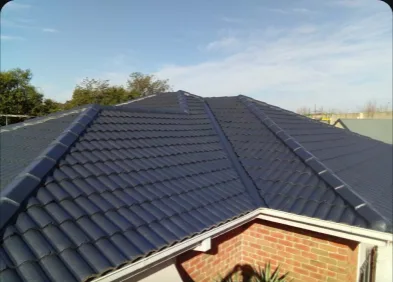
Thinking about a new roof, or replacing tired tiles with metal? COLORBOND steel roofs are now one of the most popular choices for Melbourne homes, because they are light, strong and low maintenance. They are not perfect for every home though. This guide covers the real advantages and disadvantages of a COLORBOND roof, so you can decide if it is the right fit.
Advantages of a COLORBOND roof
- Lightweight: COLORBOND steel is far lighter than concrete or terracotta tiles, which puts less load on the roof frame. That makes it a popular choice when replacing an old tiled roof.
- Low maintenance: there is no ridge pointing to crack, no tiles to slip or break and no coating to redo every 10 to 15 years. An occasional wash down of areas not reached by rain is usually all it needs.
- Strong and weather tight: long, continuous sheets mean fewer joins for water to get through, and a properly fixed metal roof handles Melbourne’s wind and heavy rain well.
- Durable finish: the factory applied paint system is made for Australian conditions and is designed to resist chipping, peeling and fading.
- Range of colours: the colour range suits both modern and traditional homes, and lighter colours reflect more heat in summer.
- Quiet when insulated: with an insulation blanket under the sheets, rain noise is greatly reduced and the roof space stays cooler.
- Non combustible: steel does not burn, which is one reason metal roofs are common in bushfire prone areas.
Disadvantages of a COLORBOND roof
- Upfront cost: replacing a tiled roof with COLORBOND costs much more than restoring tiles that are still sound. If your tiles are in good condition, a roof restoration may be the better value option.
- Rain noise without insulation: a metal roof without an insulation blanket can be noisy in heavy rain. This is easily solved at installation, but it is worth budgeting for.
- Heat without insulation: dark colours absorb more heat. Choosing a lighter colour and installing insulation makes a big difference.
- Dents and scratches: large hail or careless foot traffic can dent sheets, and scratches should be touched up properly to protect the finish.
- Coastal and material compatibility: homes very close to the sea may need a more corrosion resistant steel grade, and metal roofs should not be mixed with incompatible materials such as copper or lead runoff. Your roofer should check this before quoting.
- Condensation: without sarking or an insulation blanket, condensation can form on the underside of the sheets in cold weather.
Is a COLORBOND roof right for your home?
COLORBOND is usually a great choice if:
- your tiled roof is failing across the board and needs replacing
- you have an old galvanised or ZINCALUME roof that has rusted
- you want a low maintenance roof that will not need repointing or recoating
- you are extending or renovating and want a modern look
If your tiles are still in good condition, a restoration is usually much cheaper and can add many years to the roof. We inspect the roof and give you honest advice on both options.
How much does a COLORBOND roof cost?
For a typical 3 bedroom single storey Melbourne home, replacing tiles with COLORBOND usually starts from around $19,000. See our roof replacement cost guide for prices by home size, or try the roof replacement cost calculator.
COLORBOND roofing services in Melbourne
Roof Guard installs, replaces and repairs COLORBOND roofs across Melbourne’s eastern, south eastern and bayside suburbs. We handle metal roof replacement, tile to COLORBOND roof replacement and metal roof repairs, with new flashings, cappings and gutters where needed. Call 03 8738 3451 or request a free quote.
COLORBOND roof FAQs
How long does a COLORBOND roof last?
A well installed COLORBOND roof can last for decades. The actual life depends on the environment, especially closeness to the coast or industry, and on simple maintenance such as keeping gutters clear and washing areas not reached by rain.
Is COLORBOND better than tiles?
Neither is better for every home. COLORBOND is lighter and needs less maintenance, while tiles have good thermal mass and a traditional look. If you already have a sound tiled roof, restoring it is usually cheaper than switching.
Can you put COLORBOND over an existing tiled roof?
No. The tiles and battens are removed first, the frame is checked, then new battens, insulation and COLORBOND sheets are installed.
Is a COLORBOND roof noisy in the rain?
Not when it is installed with an insulation blanket. Insulation greatly reduces rain noise and also helps keep the home cooler in summer.
Ready to Get Started with Your Roofing Service?
Your roof deserves expert care. Contact Roof Guard Roofing today for your free, no-obligation quote and let our trusted team restore, repair, or replace your roof with confidence.
Get Your Free Quote